How to Choose the Right Dune Buggy for Your Dubai Desert Adventure
Dubai's desert landscape is one of the most striking playgrounds for off-road driving. The dunes shift constantly, and the terrain ranges from soft, powdery sand to harder packed areas near the roads. Choosing the right dune buggy for this environment is not just about picking a flashy vehicle. It affects your comfort, your safety, and how much you actually enjoy the ride.
Many people assume any buggy will do, but the differences between models are significant. Engine size, suspension travel, seating layout, and even tire type change how a buggy handles the sand. A well-matched buggy makes the experience smooth and controlled. A poor match can turn a fun outing into a struggle with the machine.
Start With the Engine and Power Delivery
The engine is the heart of any dune buggy. In Dubai's soft sand, you need enough power to keep the buggy moving without bogging down. Most rental buggies use either a four-cylinder or a V6 engine. Four-cylinder engines are lighter and often more agile, which works well for smaller riders or those who want a nimble ride. V6 engines offer more torque, which helps when climbing steep dunes or carrying a passenger.
Pay attention to how the power is delivered. Some engines have a sharp power band that kicks in suddenly at higher RPMs. That can be fun on open stretches but tricky on loose sand where sudden acceleration can dig the tires in. A smoother power curve is generally easier to manage, especially if you are not an experienced off-road driver.
Another factor is whether the buggy has a manual or automatic transmission. Manual gearboxes give you more control over gear selection, which is useful for reading the dune and adjusting on the fly. Automatics are simpler to operate and let you focus on steering and throttle control. For most visitors, an automatic is the practical choice, but enthusiasts often prefer the engagement of a manual.
Check the Suspension Setup
Dubai's dunes are not flat. They are full of sudden drops, sharp crests, and uneven surfaces. A buggy with poor suspension will bounce and jolt, making the ride uncomfortable and harder to control. Look for buggies with independent suspension on all four wheels. That setup allows each wheel to move independently, keeping the chassis more stable over bumps.
The amount of suspension travel matters too. More travel means the buggy can absorb larger impacts without bottoming out. For aggressive dune driving, aim for at least eight to ten inches of travel. That gives you a good balance between comfort and control. Less travel can work for gentler rides on flatter terrain, but it limits where you can go.

Also check the type of shock absorbers. Coil-over shocks are common and offer good performance for the price. Remote reservoir shocks are better for sustained high-speed driving because they resist fading. If you plan to push the buggy hard, ask about the shock setup. A well-damped buggy stays planted on the sand, while a poorly damped one can feel skittish.
Consider the Seating and Layout
Buggy seating arrangements vary. Some have side-by-side seats, while others place the driver in front and the passenger behind. Side-by-side layouts are better for communication and shared experience. The driver and passenger can talk easily, and the passenger gets a similar view. Tandem layouts are more compact and can be lighter, but the passenger sits higher and may feel more motion.
Seat comfort matters more than you might think. A desert session can last two to three hours, and hard, poorly padded seats become uncomfortable quickly. Look for bucket seats with decent lumbar support and harness-style seat belts. A four-point harness keeps you secure in the seat, which is important when the buggy tilts on steep dunes.
Also consider the roll cage. A well-designed roll cage protects both occupants without blocking visibility. Some cages have extra crossbars that can obstruct the view to the sides. Sit in the buggy and check that you can see clearly in all directions. Visibility is key for reading the terrain and avoiding surprises.
Look at the Tires and Wheels
Tires are the only contact point with the sand. The wrong tire can make a powerful buggy feel helpless. For dune driving, you want wide tires with a paddle or directional tread pattern. Wide tires float on top of the sand rather than digging in. Paddle tires have deep, angled lugs that push sand backward and provide forward traction.
Check the tire pressure. For sand driving, lower pressures are better. A typical range is 12 to 15 psi, but some drivers go as low as 10 psi for very soft sand. Lower pressure increases the tire's footprint and helps it float. However, too low a pressure can cause the tire to spin on the rim or get damaged on sharp rocks. Ask what pressure the buggy is set to and whether you can adjust it.
Wheel size also plays a role. Larger diameter wheels (15 inches or more) roll over obstacles more easily but can be heavier. Smaller wheels are lighter and accelerate faster but may get stuck in ruts. For most dune driving, a 15-inch wheel with a wide tire is a solid compromise.
Assess the Braking System
Brakes are often overlooked in off-road vehicles, but they are critical on dunes. You need brakes that can handle repeated hard stops without fading. Disc brakes are standard on most modern buggies. Some have hydraulic disc brakes on all four wheels, which provide strong and consistent stopping power.
Pay attention to the brake feel. A spongy pedal or one that travels too far before engaging indicates air in the lines or worn pads. That is a safety issue and should be addressed before you drive. Also check for a parking brake that holds the buggy on a slope. On a steep dune, a faulty parking brake can let the buggy roll back.
Some buggies have a handbrake lever that operates the rear brakes independently. That can be useful for steering on loose sand, but it takes practice to use effectively. For most drivers, a standard foot brake with a good pedal feel is sufficient.
Think About Weight and Balance
The weight of the buggy affects how it behaves on the sand. Heavier buggies have more momentum, which can help them plow through soft sand, but they are harder to turn and stop. Lighter buggies are more responsive and easier to control, but they can get pushed around by the wind or lose traction on steep climbs.
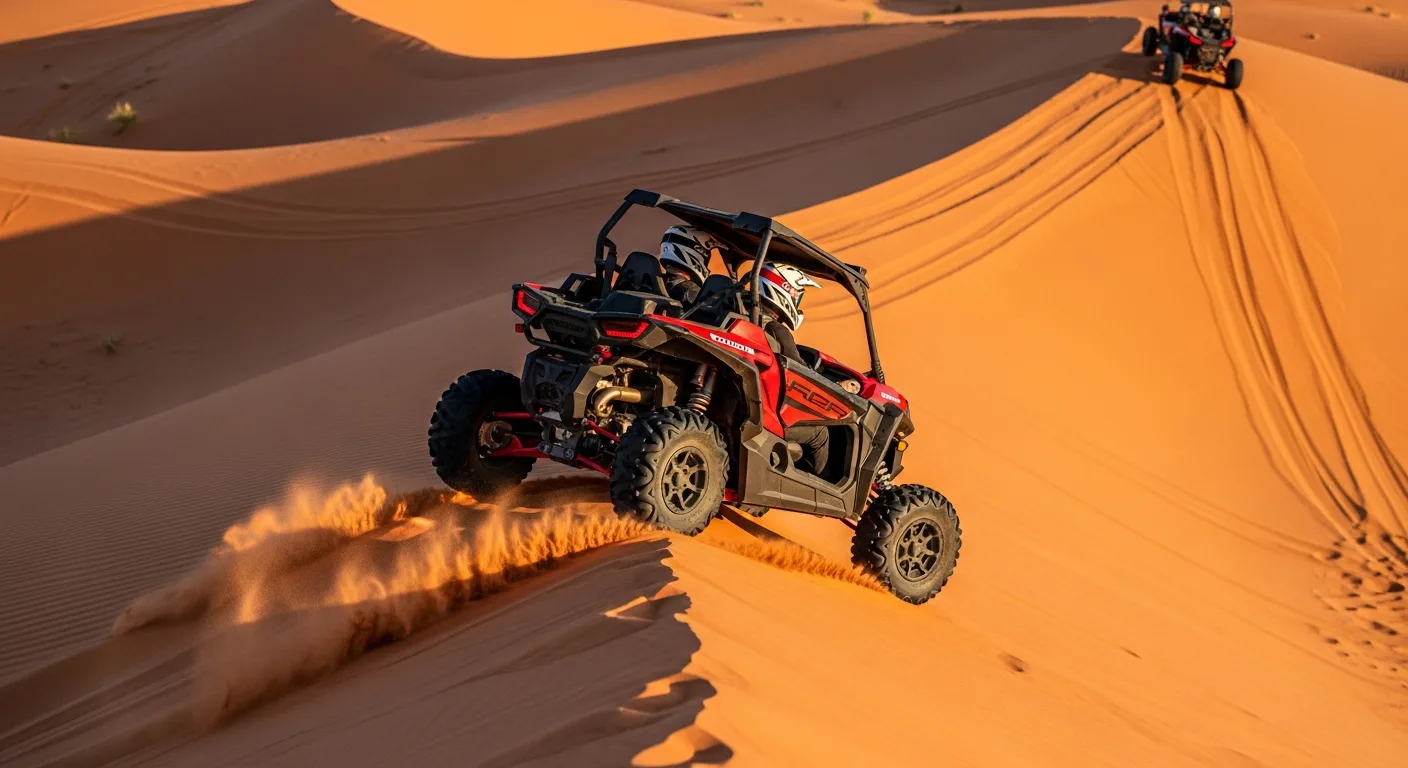
Balance is just as important. A buggy with a low center of gravity is less likely to tip on side slopes. Look for a buggy where the engine and occupants sit low in the chassis. Some buggies have the engine mounted in the rear, which improves traction on acceleration but can make the front end feel light. Others have a mid-engine layout that offers more neutral handling.
If you are renting, ask about the buggy's weight distribution. A well-balanced buggy will feel predictable and stable. One that is nose-heavy or tail-heavy can surprise you in corners or on uneven ground.
Evaluate the Steering and Controls
Steering feel varies widely between buggies. Rack-and-pinion steering is common and offers precise control. Some buggies use a steering box, which can have more play and feel vaguer. For dune driving, you want steering that is responsive but not twitchy. A little bit of resistance in the wheel helps you feel the sand and adjust your line.
Also check the pedal layout. The pedals should be spaced so you can operate them without catching your foot on the side of the buggy. Adjustable pedals are a plus if you are tall or short. The steering wheel should also be adjustable for tilt. A comfortable driving position reduces fatigue and lets you focus on the terrain.
Look at the dashboard layout. Essential gauges like the speedometer, tachometer, and temperature gauge should be easy to read at a glance. Some buggies have warning lights for low oil pressure or high temperature. Knowing what the gauges mean helps you catch problems early.
Match the Buggy to Your Experience Level
Your skill level should guide your choice. Beginners should stick with buggies that have automatic transmissions, moderate power, and forgiving suspension. These buggies are easier to control and less likely to get you into trouble. Experienced drivers can handle more powerful engines, manual gearboxes, and stiffer suspension that rewards precise inputs.
If you are new to dune driving, consider a buggy with a lower seat height and a wider stance. That gives you more stability and reduces the feeling of tipping. Also look for buggies with a limited-slip differential or locking differential. These help maintain traction when one wheel loses grip, which happens often on sand.
For experienced drivers, a buggy with a higher power-to-weight ratio and adjustable suspension lets you push the limits. You can adjust the damping for different dune conditions and fine-tune the handling. Just remember that more power requires more skill to manage.
When you are ready to explore your options, a good starting point is to browse what is available through a reputable provider like Dune Buggy Rentals Dubai. Checking their fleet at dunebuggyrentalsdubai.com gives you a sense of the range and specifications to look for. That can help you narrow down what fits your needs before you make a decision.
Inspect the Buggy Before You Drive
Always do a walk-around inspection before you head out. Check the tires for cuts, bulges, or uneven wear. Look under the buggy for oil or coolant leaks. Make sure all lights are working, especially if you will be out near sunset. Test the horn and the seat belts. A quick check can save you from a breakdown in the desert.
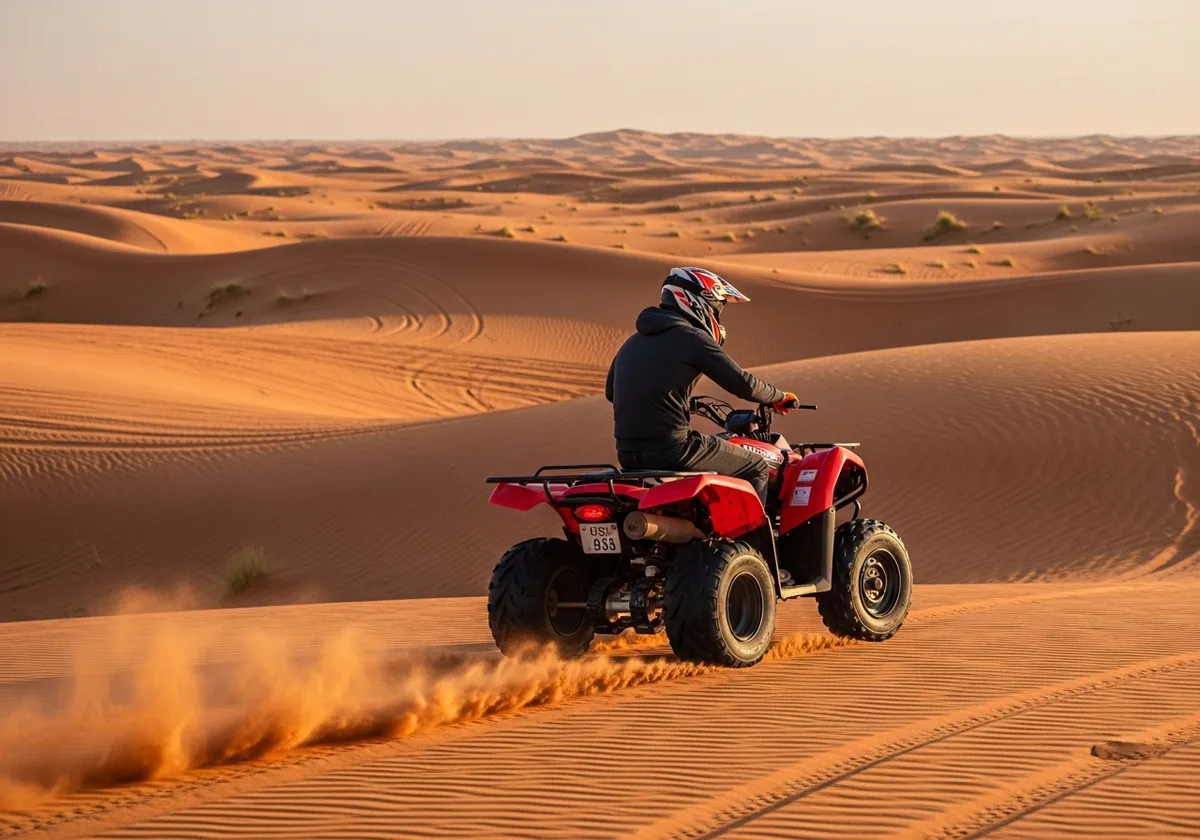
Also check the air intake. A raised snorkel or a high-mounted air filter keeps sand out of the engine. If the intake is low, it can suck in sand on steep climbs or in deep sand. That can damage the engine quickly. A good buggy will have the intake mounted high and protected from debris.
Ask about the buggy's service history. A well-maintained buggy is more reliable. If the provider cannot tell you when the oil was last changed or the brakes were checked, that is a red flag. A reputable operation will have records and will be happy to share them.
One thing to keep in mind is that the quality of your experience depends a lot on the condition of the vehicle. A provider like Dune Buggy Rentals Dubai, which you can find at dunebuggyrentalsdubai.com, typically maintains its fleet to a high standard. That kind of reliability matters when you are out in the dunes.
Trust Your Instincts
Finally, trust your own judgment. If a buggy feels wrong during a test sit or a short drive, do not force it. The right buggy will feel comfortable, responsive, and secure. It will inspire confidence rather than anxiety. Take your time, ask questions, and choose a buggy that matches the kind of adventure you want.
Dubai's desert offers some of the best dune driving in the world. With the right buggy, you can experience it safely and enjoyably. Focus on the fundamentals: power, suspension, tires, brakes, and fit. Everything else is secondary. A thoughtful choice makes all the difference between a good day and a great one.
Dune Buggy Rentals Dubai on social media
 Facebook
 Instagram
 YouTube
 Pinterest